Leasing Vs Purchasing a Car
Learn the key differences between leasing and purchasing a car, including the advantages and disadvantages of each option to help make an informed decision.
Quick Summary
This article compares leasing and purchasing a car, highlighting the pros and cons of each approach. Understanding these differences helps you choose the best option for your budget, lifestyle, and driving needs.
Sell or trade your car
Get a real offer for your car in 2 minutes, it's that easy.
Answered by Sonny Baird
Last updated 2/5/2026, 1:30:49 PM
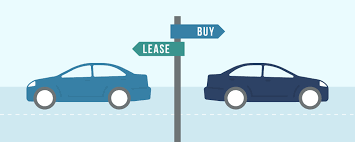
When it comes to owning a car, many people face the decision of whether to lease or purchase. Both options have advantages and disadvantages, and the choice will depend on personal circumstances and needs. This article explores the pros and cons of leasing versus purchasing a car to help you make an informed decision.
Advantages of Leasing
- Lower monthly payments
- No down payment required
- Lower repair costs if under warranty
- Ability to drive a new car every few years
Disadvantages of Leasing
- Mileage restrictions
- No equity in the car
- Lease-end charges for wear and tear
- Potentially higher long-term cost
Advantages of Purchasing
- Full ownership of the vehicle
- No mileage restrictions
- Build equity in the car
- Lower long-term cost compared to repeated leasing
Disadvantages of Purchasing
- Higher monthly payments
- Potential down payment required
- Higher repair costs if out of warranty
- Limited flexibility to switch vehicles frequently
Ultimately, the choice between leasing and purchasing depends on your personal finances, driving habits, and vehicle preferences. Leasing offers lower short-term costs and flexibility, while purchasing provides ownership and long-term value. Evaluate your priorities to make the best decision for your situation.

General Sales Manager, West Says Yes
Did you find this staff review helpful?